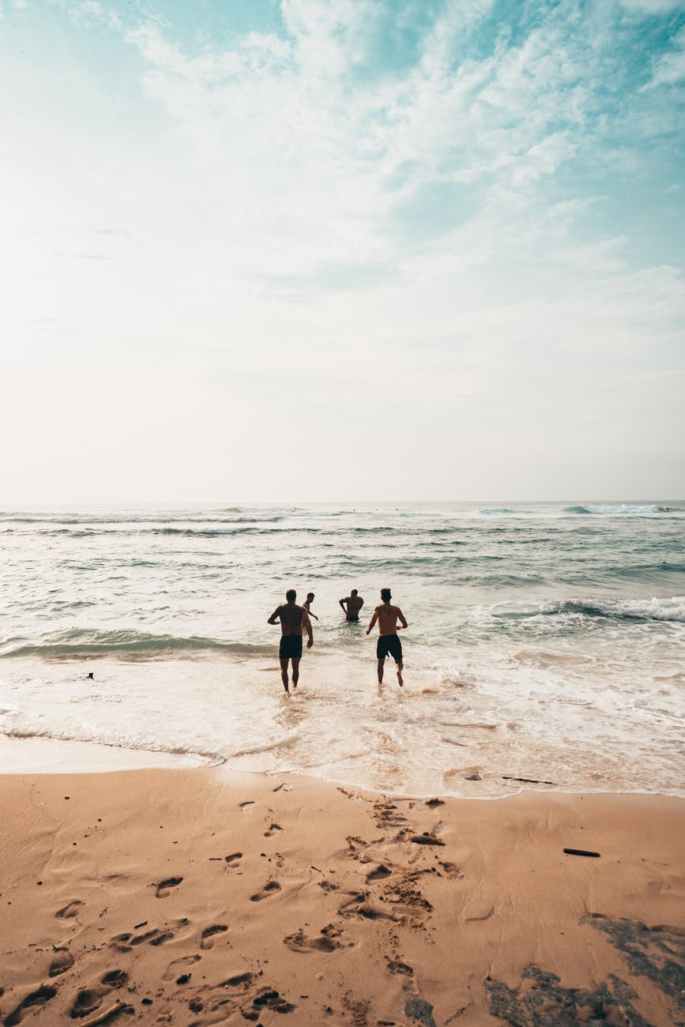
Never be caught unprepared during a trip. Plan ahead and stuff your bag with essentials things you need. The better prepared you are, the more fun you will have on the trip. Here’s a checklist of what should be inside your traveler’s kit. *Medicine Kit Never assume that no mishaps will happen on a trip. Even minor bruises should be taken care of. Always keep your first- aid kit handy. Treating wounds Bring along a roll of bandage, safety pins and scissors. Tweezers might be needed to pull out foreign materials that penetrate the skin. Bring ointments and alcohols for treating abrasions. If you are prone to allergies and itching, antihistamine medications like Benadryl should be handy. Common medicine Carry along medicines that you are likely to use, like aspirin for headaches, laxative for proper bowel movement and pain relievers. If you have a runny nose, buy a couple of decongestant. Dehydration and motion sickness is common when traveling, consult your doctor on which medicine is appropriate for you. Prescription drugs Remember to bring along whatever medication you are taking. Bring enough supply to last for the entire trip. *Personal Hygiene Kit This kit must include all your toiletries. This will keep you looking fresh all the time. Dental Bring along your toothbrush, toothpaste and dental floss. Buy a small bottled mouthwash or if you have plenty of supply left, just transfer it to a smaller container. Hair Carry along your favorite brush, comb and shampoo. Stuff in your hair spray, hair cream and gels if you are using one. Personal effects This will include your make-up kit. Remember to bring only the cosmetics that you are likely to use. Carry with you a handy mirror. You can bring your manicure set too. Skin protection Keep your skin healthy by putting on sunscreen and lip balm as often as you need them. Bathroom needs Bring along with you sets of toilet papers, soaps, towels and washcloth. *Emergency Kit This includes the stuff you might need like flashlights, lighters, pocket knife and duct tapes. Mobile phones are important in case of emergency, be sure to bring your charger and an extra battery. *Leisure Kit For added fun, you can bring along your travel journal, reading materials and the locale’s language book. Make the most out of fantastic views with your binoculars and your camera. There is no such thing as a standard traveler’s kit. It varies upon the place and the activities you’ll do in a certain place. The above kits are basically the essentials. Be sure to keep everything checked and have a fun trip ahead!
Month: August 2021
20 Safety Tips for Budget Travelers
1) When taking taxis from an airport to your hotel, travel in the more expensive airport taxis and ensure that the drivers have official identification. Never take a taxi waiting outside the airport grounds. I know this sounds extreme, but it is by far better to be safe then sorry. 2) When traveling from your hotel to the airport, go with a taxi recommended by the hotel. Again, taxi’s can be very dangerous. I can’t express that enough. 3) Try not to arrive in a new city or town late at night. This can just go wrong in a number of ways. It is much easier getting checked in during the day time and security at night in certain areas is just horrendous. 4) Travel in a group if possible. Since when is traveling in numbers not a good idea? 5) Learn the basics in the local language before you arrive. Don't expect that people will speak English. English is becoming more widely spoken these days, but you want to be sure. You should always check on these things before your arrival. 6) Keep your valuables hidden. A money belt is great if it is an option that you willing to look into. There are many different styles of money belt. One of the most popular is an “over the shoulder” style wallet on a strap that you were underneath your top. This makes it very difficult for a thief to make off with your valuables. 7) Avoid going on your own to remote areas/ruins where tourist would be expected to go. Seek local advice or take a guide. 8) Read the guide books and talk with other tourists to find out which areas are best avoided. 9) When leaving discos late at night take a taxi home no matter how close your hostel is. Outside most discos you'll find a street vendor selling cigarettes. Usually these people know all the taxi drivers and can recommend a safe one. 10) When arriving in a new town, keep to your original plan and stay in the hostel that you have decided on. Don't let the taxi driver persuade you that your hostel is fully booked and that he knows a cheaper and better one. He'll be working on commission and the hostel probably won't be in a safe part of town. 11) Even better, when arriving lane/train in a new city, try to reserve your hotel in advance, preferably with a hotel that has an airport/station collection service. 12) Don't wear expensive looking jewelry. 13) On public transport have your day pack close to you at all times, preferably with the straps around your legs or padlocked to the luggage rack. On buses your backpack will normally go outside, either on top of the roof or in the external luggage compartments. On long distance buses ask for a receipt for your bags. On short rides just keep a careful eye out each time the bus stops to off-load bags. In the event of having your bags stolen, stay with the bus - you will probably require a declaration from the bus company accepting responsibility for the loss in order to claim any money from your insurance company. 14) Leave your valuables in your hotel safe when making day trips or longer tours. Obtain a receipt not just for your money belt/wallet etc. but for its contents, with each item listed. 15) If you have to leave your passport and credits cards together, place the credit card in a sealed envelope and sign your name across the flap. This way when you return you will know that nothing has been tampered with. 16) If planning on going to market areas, crowded streets, fiestas etc. don't go with all your valuables. Leave them in the hotel. If you’re planning on buying something expensive keep your money safely in a money belt. Try to be discreet when opening it! To protect small change in your pockets you can stuff a handkerchief in after. 17) If the pavements are really crowded, especially in market areas, walk in the road. 18) If you suspect someone is following you, stop and stare them in the eye until they go. If you really get a bad feeling about a place, go with your first instincts and leave. Bag slashing is rare nowadays but for added safety you can wear your day pack on your chest. 19) If it's on your back try to walk without stopping. If you need to stop, sway your pack gently from side to side so that you can feel if anyone is tampering with it. 20) When putting your bag down on the floor, to take a photo or just to sit in a café, remember to put your foot through the strap. Not only will it be impossible to snatch, you also won't forget it! This is the most common type of theft - tourists forgetting bags in cafes and on returning to ask if anyone has seen it, you've guessed it, it's gone.
12 Easy Tips To Guarantee Stress Free Group Travel
If you are planning to go on a group tour, there are lots of things you can do to make the trip fun and enjoyable for yourself and for your fellow travelers. Here is a great checklist to get you started. 1. Pack a small bag to carry along on the bus. While your main luggage will go in the designated area of the bus, you should pack a small carry on the bus. This will be handy for snacks, books to read, and other accessories you may want easy and quick access to. 2. Don’t’ forget your camera. And once you have packed your camera, don’t forget to take pictures! I know that sounds obvious, but I always get so caught up with the sights and sounds that I actually forget to take pictures! (Duh!) 3. Get a collection of great jokes, riddles, and experiences to share with the group! And it only takes one joke to get the rest of the group going! We had a great time sharing riddles, and jokes and laughing all the way to the next rest area. 4. Take along some great movies. Many tour busses have DVD players. At least ours did. Find out in advance and if it does, rent some great movies for “en route” entertainment” . Be sure to pick a variety of movies, such as cartoons if you have kids in your group, action movies to keep the teenagers engaged, and perhaps documentaries or family drama’s for the adult crowd. 5. Take along some great music CD’s. Many group tour busses also have CD players. We played our favorite and enjoyed group singing. Perhaps you can organize an “on the road” karaoke contest for your group. 6. Don’t’ forget your medicines. This is essential. Perhaps this should be at the top of the list, but be sure to keep all necessary medications close to you in the carry on bag you take on the bus. 7. Pack A small pillow for sleeping comfort. If you are like me, a moving vehicle and a well cooled environment is an open invitation for a good snooze! To boost sleeping comfort I took along a small pillow, and had a good nap between rest stops! The group leader has the photo’s to prove it! His “hobby” was collecting photo’s of sleeping travelers! Maybe I will post that picture here! (Not) 8. A blanket may be necessary. Those tour buses can get COLD!!! My blanket came in very handy. 9. Binoculars. If your tour involves outdoor sightseeing, a pair of binoculars is a must. 10. Bathing suites. Most hotels have swimming pools. This is a wonderful “treat” for kids who behaved nicely while traveling all day! And if you will be anywhere near a beach…you’ve got to take a dip! 11. Don’t forget your passport. If you are traveling internationally, you will most likely need a passport. Be sure to make copies of the passport and other important travel documents and keep them in a safe place! 12. Don’t forget you Airline tickets. This may seem obvious, but it has happened before. Thank goodness most airlines are switching to e-tickets, so this may soon be thing of the past. After all, there are enough other things we have to remember. 13. BRING A BIG SMILE! Smiles are contagious! And most of all… they are FREE!
10 Travel Adventures That Won’t Break The Bank
Dreaming of taking a Big Trip in 2007? Finances a bit tight? Well, take a look at the following destinations. Magic, thrills and adventure, yes. But for the budget-conscious globe-trotter, what’s equally important is that these are places where your dollars will stretch a long, long way. As a travel writer, I’m lucky enough to have experienced all 10--but I’d love to revisit every single one as a vacationer. Vietnam Vietnam packs a lot into its borders. Highlights include misty Halong Bay with its fairytale seascapes of limestone outcrops and islands; the Mekong delta with its floating markets; the old Vietcong tunnels at Cu-Chi near Saigon--now officially known as Ho Chi Minh City. (Don’t worry about getting stuck: one tunnel has been specially widened for westerners.) Backpacker beds are exceptionally cheap, but decent hotels often cost less than $40. A filling bowl of pho bo beef noodle soup or six seafood spring rolls is less than a dollar. In local hangouts, Saigon Export beer costs 40 cents a bottle. For the ultimate traffic tale to tell the folks back home, head for Hanoi’s old quarter. Any attempt to cross the road turns into a heart-racing adventure. Not only are you contending with psycho-cyclos (rickshaw bicycles), there are thousands of motorbikes and scooters whose riders regard a red traffic signal as a suggestion rather than an instruction. Best place to experience the utter chaos is from within a cyclo rickshaw. Lithuania, Eastern Europe The southernmost of the Baltic States, visitors usually couple Lithuania together with Latvia and Estonia. However, you can easily spend a week in Lithuania alone. Quirky cities like Vilnius and Kaunas are steeped in art, music and historical curiosities...mushroom-scented woods and farmers riding on haycarts...mysterious sites steeped in pagan traditions…the windswept sands of the Curonian Spit where you can beach-comb for amber. Mid-June would be a great time to go. A national holiday in Lithuania, the old pagan festival of Rasos marks the summer solstice. It’s an all-night affair with singing, dancing, bonfire-leaping, hunting for "magic" ferns, and floating garlands down rivers. Despite some serious alcoholic partying, most people manage to stay awake to greet the sunrise. As for prices, how about $2.54 for three potato pancakes with smoked salmon and sour cream and $1 for a glass of Svyturnys beer? Granada, Nicaragua From the laid-back colonial city of Granada, you can do a lot in a week in Nicaragua: tackle volcanoes...take Spanish lessons...visit Masaya craft market and also the villages where rocking chairs, hammocks, and pottery are made...explore the Selva Negra’s cloud forests and coffee plantations...chat with expats in the beach surfing town of San Juan del Sur...go to colonial Leon, where you might get to meet indigenous Indians. Settling into a rocking chair with a cold Victoria beer is a pleasure that generally costs under $1 and spending more than $7 on a meal is difficult. The Alhambra Hotel on Granada’s main square costs a mere $30 a night. Goa, Southern India India is beyond fascinating, beyond anything you’ll ever experience elsewhere. The easiest introduction to this teeming country is the seaside state of Goa. Baking below a tropical canopy of banana, coconut and mango trees, this drowsy world of Arabian Sea beaches, backwaters, and spice-laden breezes is stamped with more than a few reminders of Old Portugal. You’ll find sunrise yoga on the beach, full massages for $8, dolphin trips for about $6, and colorful hippie markets. Including four beers, two people can eat in a beach shack for under $10. And if you want to cut your expenses to the bone, there’s accommodation in simple beach chalets for as little as $8 a night. Porto and Northern Portugal Famed for its port wine lodges (yes, they do offer free samples), Porto is Portugal’s second city. An historic Atlantic trading port, its warren of laundry-hung alleys plunges down to a waterfront of boats, nets and fish restaurants. Sheets of cod (bacalhau) hang outside grocery stores with original art nouveau tiled facades; the church of Sao Francisco has a gold leaf interior that would make King Midas salivate. Don’t miss the Bolhau food market or the Torre dos Clerigos, Portugal’s highest belfry tower. From the top, you’ll get great views over the jumbled cityscape of churches, bridges and red-roofed houses. By EU standards, the price of dining, accommodation, and public transport throughout the region is astounding. Trains and buses are an affordable way to make exploratory day-trips along the coast and into the interior of terraced vineyards and green river valleys. Don’t miss Braga and the thousand-stepped stairway of Bom Jesus church. On holy days, some pilgrims tackle these steps on their knees. Montenegro After its split from Serbia, Montenegro is Europe’s latest holiday hot spot--and also the world’s newest independent nation. Along with three-course meals for $7 and rooms in private houses for $10, you’ll find a land of craggy mountains with a switch-backed Adriatic coastline of bays, beaches and villages of pale gray stone. The sea sparkles like blue topaz and medieval walled towns with crumbling fortresses and palaces are often emblazoned with the winged lion emblem of the Venetian Republic. Now paint in monasteries slotted into mountain crevices and fishing villages of red-tiled roofs and deep-green shutters. Roman mosaics...olive groves...water-lilied lakes...deep canyons and the mighty Boka Kotorska, Europe’s southernmost fjord...the border town of Ulcinj with its minarets and tales of pirate slave-trading. Austria The Alps? There’s no denying that Switzerland is one of the most scenically gorgeous countries on earth. But unless you’re armed with an expense account, I can promise you that exploring its mountains, lakes and medieval towns will wreak havoc on your finances. Winter or summer, neighboring Austria has just as much of the alpine wow factor...plus the city splendors of Vienna and Salzburg. And it’s a lot less expensive than you may think. For example, in the Tyrolean village of Fendels, you could rent a furnished apartment for two in a chalet next spring for as little as 175 euro ($230) per week. Surrounded by hiking trails, Fendels village makes an excellent base--the Tyrolean Oberland is close to the borders of Switzerland and Italy. (Go to the Austrian Tourist Board’s web site at http://www.tiscover.at and you’ll find plenty more self-catering accommodation at similar prices.) Penang, Malaysia A melting-pot of Malay, Chinese and Indian culture, Malaysia offers up powder white beaches and virgin rainforest teeming with wildlife; the bustling capital of Kuala Lumpur and the historic port city of Malacca; inexpensive seafood and inexpensive spa pampering; sailing, snorkeling, diving, fishing, golf and island-hopping. With a distinct Chinese flavor, one of Malaysia’s star turns is Georgetown, capital of Penang island. You come across snake temples, arcaded shophouses and tiny workshops specializing in mahjong tiles and dice; kong-teik craftsmen who make funerary paper artifacts; fish getting dried like laundry in the open air. On the Weld Quay waterfront, around 2,000 fishing families live in rickety wooden dwellings on the Clan Quay jetties. Chania, Crete On the Greek island of Crete, Chania is one town that it would be criminal to miss. Crete’s former capital, its history goes back 5,000 years. In the Old Town’s skinny alleyways you’ll find icon workshops...lyres hanging in dusty musical instrument repair-shops...bursts of white jasmine cascading from archways...cats snoozing on balconies...the unlikely sights of a pencil-thin minaret above church towers and a mosque squatting on the waterfront. Strung with garlands of colored light-bulbs, Chania’s old Venetian harbor at dusk truly is the stuff of romance. The water shimmers in waves of crimson, sapphire and emerald, the Venetian lighthouse sends out its beady wink, and stalls do a steady trade in pistachio nuts. Alleys that were afternoon-silent become thronged with locals taking the volta--the evening stroll. Even in July and August, you’ll find studio apartments here for under $40 a night...plus you can eat well for $10. Bohemia, the Czech Republic Prague teems with tourists but few people realize what the rest of the Czech Republic offers. One of its regions is Bohemia, blessed with a spellbinding mosaic of castles, frescoed houses and Rapunzel-style turrets straight from a sword-and-sorcery tale. At Cesky Krumlov you can peer into a medieval bear pit complete with bears. Sedlec, a suburb of Kutna Hora has a chapel entirely decorated with human bones, right down to its chandelier. Many towns have stoupas...lofty "plague pillars" adorned with chained devils. They commemorate deliverance from the plagues, which swept Europe during the Middle Ages. Then there’s Karlovy Vary, the oldest of Bohemia’s grand spa towns. With spa water bubbling up all over town which visitors can collect for free, it’s a gorgeous place of baroque buildings in sugar-plum colors, flowery parks, and shops glittering with Bohemian crystal.
10 Things Travelers Need When Visiting Cape Town
Cape Town is a beautiful city with rich cultural events and the top 5 attractions in all of South Africa. When you visit Cape Town, South Africa, you will need to make sure you are prepared, so your trip will be more enjoyable. The more preparation you do before you leave, the less you have to worry about once you get there. Then you will be free to relax and enjoy your visit. 1. Sun Protection The sun in South Africa can be harsh, so you’ll need to wear sun protective lotion, as well as protective clothing like hats or visors to keep the sun out of your eyes and face. 2. Copies of Passport and Travel Documents You always want to make sure you have more than one copy of your passport and travel documents in case you are to lose them or have them stolen. These are the only means by which you can return to your country, so protect them well. 3. Proper Clothing Light cotton clothing is advised in the summer. The evenings get cooler so pack warmer clothing as well. Dress is typically casual in Cape Town even for evenings at the theater or restaurants. 4. Good Accommodations My favorite place to stay in Cape Town South Africa is the Commodore Hotel. This is a 5-star hotel on the waterfront near the center of Cape Town. While, the room rate is a bit pricey, a hot breakfast buffet and world class service certainly makes up for it. 5. Money for Tipping South African currency is called the Rand (R). The Rand is split into 100 cents, similar to the US Dollar and cents. You will need to carry money with you to tip people for service such as wait staff, taxi drivers, hotel staff, etc. 10% is a fair tip in Cape Town. 6. Safety Precautions Never walk unpopulated streets of South Africa alone. Do not wear excessive jewelry or watches and keep the amount of cash you carry to a minimum. The Police emergency number is 10111. 7. Immunizations While there are no international immunizations needed to enter South Africa, you should be aware that Malaria is a risk throughout the year. So protect yourself from diseases as you feel necessary. It’s better to be safe than sorry. 8. Local Driving Rules In Cape Town everyone drives on the left side of the road. Many of the National roadways have tolls so always bring money with you if you are planning on traveling by car. Seat belts are required and if you have a young child with you, you should reserve a car set in advance. 9. Local Prices You should have some understanding of the local prices, so you don’t get surprised or taken advantage of while on holiday in Cape Town. The average McDonalds meal is R23.00, bottled water is R5.00, a ticket to the movies is R30.00 and dinner out is about R100.00 each person. 10. Travel Insurance Medical services are available at private hospitals and doctors in private practice. You should have some form of travel insurance that covers medical expenses. Again, it’s better to be safe than sorry in case something does happen during the trip away.


You must be logged in to post a comment.